Bridging Promotional Outreach and Regulatory Compliance in Online Wagering Networks
Harper Beck · Jun 23, 2026
Bridging Promotional Outreach and Regulatory Compliance in Online Wagering Networks
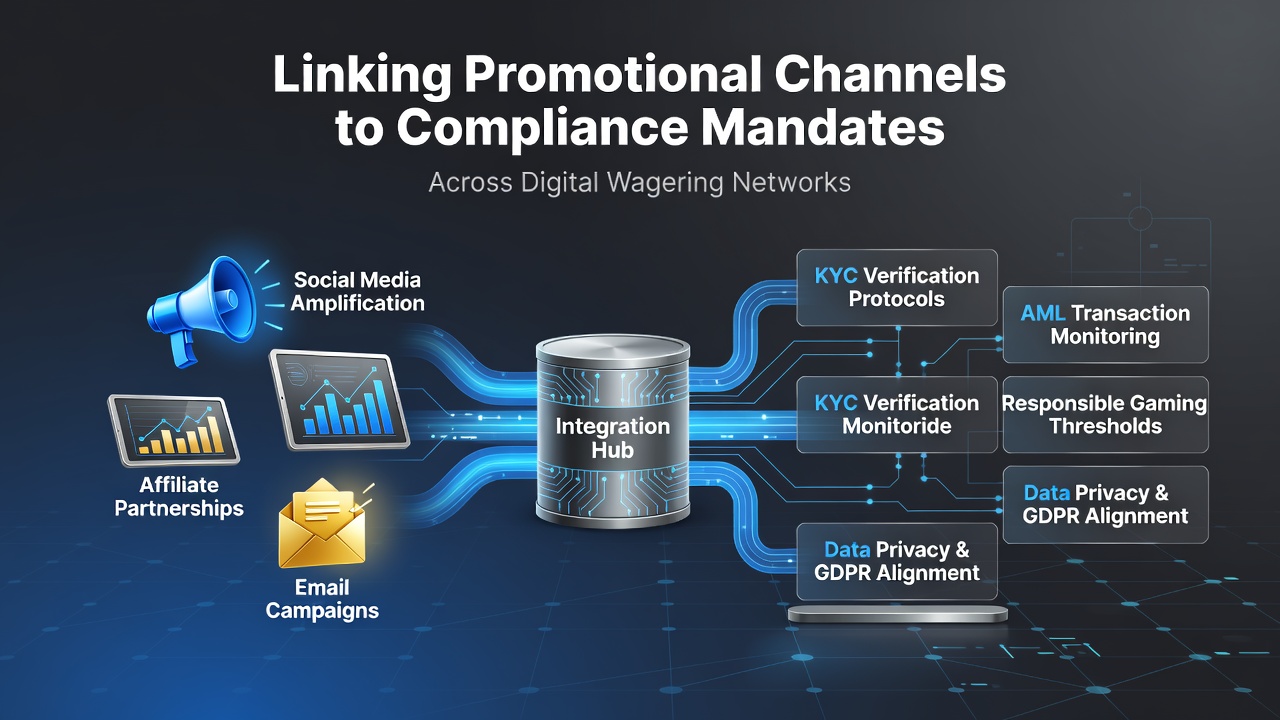
Digital wagering platforms rely on promotional channels such as affiliate partnerships, targeted email campaigns, social media advertisements, and bonus offers to attract and retain users, yet these same channels must align with strict compliance mandates that govern advertising standards, age restrictions, responsible gaming disclosures, and data handling protocols across multiple jurisdictions.
Regulatory bodies in various regions enforce these alignments through detailed guidelines that require operators to verify the accuracy of promotional claims, restrict targeting to eligible audiences, and maintain audit trails for every marketing initiative. Data from industry reports shows that platforms integrating these elements reduce violation risks while sustaining user engagement metrics.
The Structure of Promotional Channels in Modern Wagering
Promotional channels operate through interconnected systems where affiliates promote registration bonuses, loyalty programs distribute free spins or deposit matches, and algorithmic ad placements reach users based on behavioral data. Each method carries specific obligations, for instance affiliates must display licensing information and responsible gambling messages in their materials, while operators track performance data to ensure promotions do not encourage excessive play.
Those who've studied platform operations observe that successful networks maintain centralized compliance dashboards that flag promotional content before it goes live. This approach connects creative teams with legal reviewers in real time, allowing adjustments that satisfy mandates without halting campaign momentum. In June 2026 several North American operators reported streamlined approval processes after adopting such integrated tools.
Core Compliance Mandates Shaping Promotion Strategies
Mandates typically cover geographic restrictions, mandatory disclaimers, and verification of user eligibility before any promotional incentive activates. Regulators require clear presentation of wagering requirements, expiration dates, and game contribution percentages in all bonus communications. Platforms that embed these details directly into promotional landing pages demonstrate higher adherence rates according to compliance audits conducted by state authorities.
Canadian provincial frameworks, including those administered by the Alcohol and Gaming Commission of Ontario, emphasize that promotional offers must not target self-excluded individuals or minors, which necessitates robust age-gating technologies linked to marketing databases. Similar rules appear in Australian state regulations where operators must submit promotional scripts for pre-approval in certain cases. Observers note that these layered requirements create a compliance web that promotional teams navigate through automated tagging systems.
Integration Methods Across Jurisdictions
Operators achieve linkage by mapping every promotional asset to a compliance checklist within their content management systems. When an affiliate link generates a click, backend protocols verify that the associated marketing copy includes required disclosures and that the traffic source complies with local advertising codes. Research from university-led gaming studies indicates that such automated mapping cuts manual review time by measurable percentages.
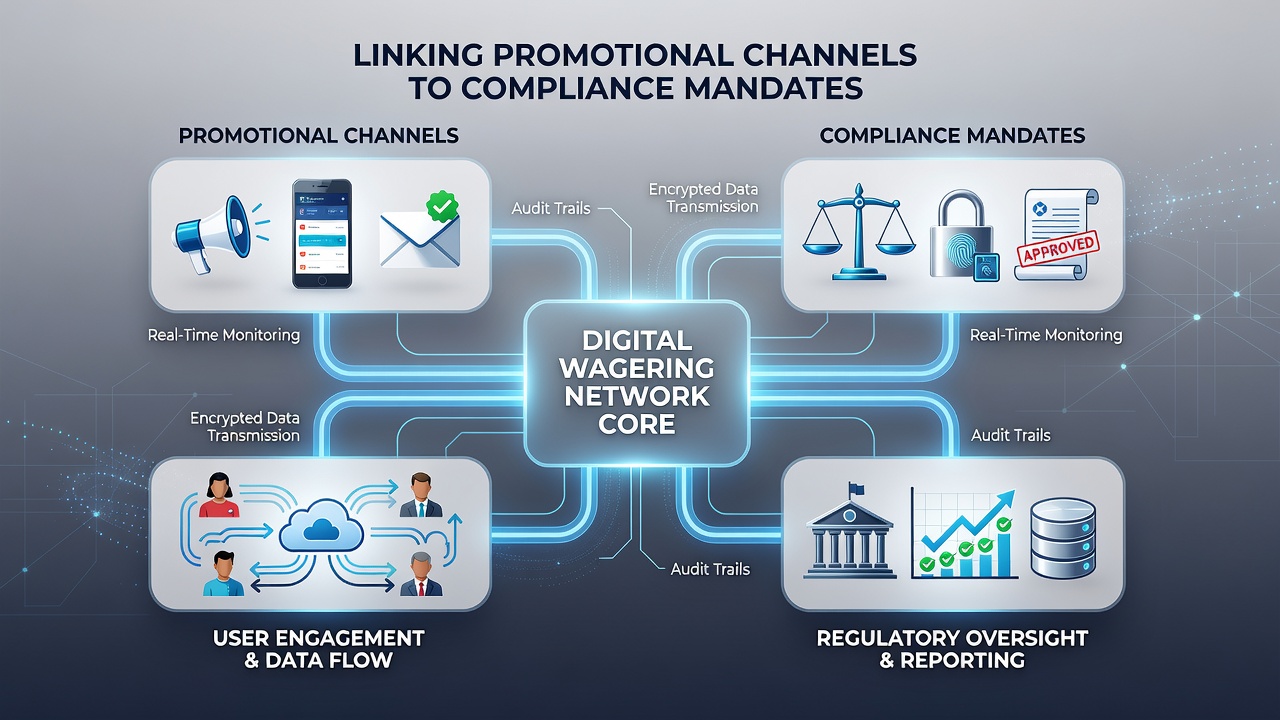
European operators often reference directives from the European Gaming and Betting Association when coordinating cross-border promotions, ensuring that bonus terms meet varying national standards. In the United States, the Nevada Gaming Control Board maintains specific advertising guidelines that tie promotional language directly to license conditions. Platforms operating in multiple regions frequently deploy geo-fencing combined with dynamic content adjustment to satisfy these divergent rules simultaneously.
Technological Tools Supporting the Connection
Software solutions now include API connections between customer relationship management platforms and regulatory reporting modules. These tools automatically append required disclaimers, block promotions in restricted areas, and generate logs that regulators can request during inspections. Figures from recent industry analyses reveal that operators using these integrated platforms experience fewer compliance queries compared to those relying on manual processes.
What's interesting is how machine learning assists in predicting which promotional messages might trigger scrutiny. The systems analyze historical enforcement actions and flag similar phrasing in draft campaigns. This predictive capability allows teams to revise content early, maintaining campaign schedules while meeting mandates.
Implementation Examples and Ongoing Adjustments
One documented case involved a multi-state operator that linked its affiliate portal directly to a compliance database, resulting in automatic rejection of non-compliant creatives submitted by partners. Another example from Australian markets showed operators adjusting email campaigns in response to updated disclosure rules, incorporating clearer language about bonus validity periods. These adjustments occurred through coordinated updates between marketing and compliance departments.
Yet the process requires continuous monitoring because regulations evolve. Data shows that networks conducting quarterly reviews of promotional linkages maintain stronger records during audits. The reality is that static connections between channels and mandates quickly become outdated without ongoing maintenance.
Conclusion
Linking promotional channels to compliance mandates across digital wagering networks demands coordinated systems, technological support, and awareness of regional differences. Platforms that establish these connections through automated checks and regular reviews position themselves to operate effectively within evolving regulatory landscapes. Evidence from multiple jurisdictions confirms that such integration supports both business objectives and legal adherence without compromising operational flow.