Echoes from the Inbox: Mapping How Promotional Mail Flows Intersect with Data Safeguards Across Gaming Platforms
Clara Washington · Jun 9, 2026
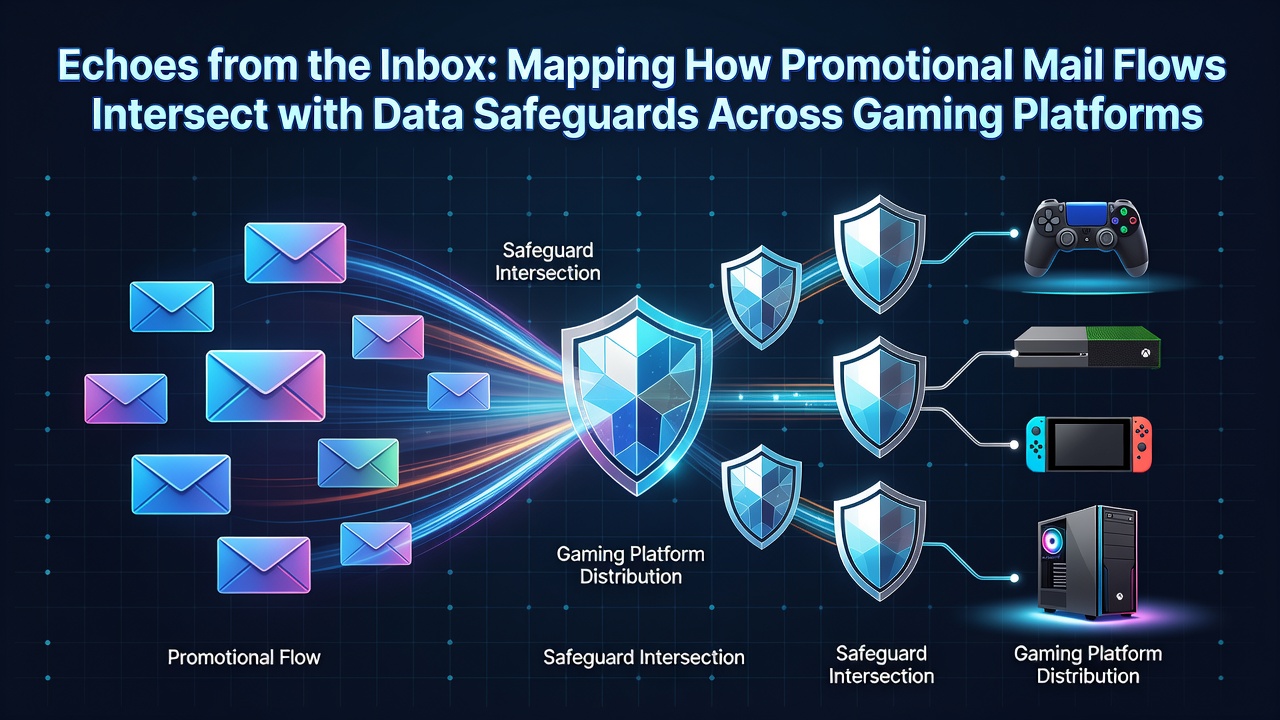
Echoes from the Inbox: Mapping How Promotional Mail Flows Intersect with Data Safeguards Across Gaming Platforms
Promotional email campaigns in gaming platforms operate through layered distribution networks that route offers, updates, and bonus notifications directly to registered users while data safeguards function as embedded checkpoints along those same pathways. Observers note that these intersections determine how player information moves from operator databases to marketing systems and onward to inboxes without triggering unauthorized disclosures or compliance violations. Research indicates that platforms maintain separate but connected pipelines for transactional messages versus marketing content, with each route subject to consent verification protocols and retention limits set by applicable privacy frameworks.
Tracing Promotional Mail Pathways
Gaming operators collect address data at account creation and during gameplay sessions, then segment lists according to player activity patterns before triggering automated campaigns. Data shows that segmentation relies on behavioral signals such as deposit frequency or game preferences, which feed into rule-based engines that decide when and how promotional content reaches specific recipients. Those who've studied these systems report that bounce rates, unsubscribe clicks, and spam-folder placements serve as feedback loops that operators use to refine delivery parameters without altering underlying consent records.
Flows often pass through third-party email service providers that handle volume spikes during major events, and these handoffs require contractual clauses ensuring data minimization and encryption in transit. Figures reveal that June 2026 saw several North American and European platforms adjust their provider contracts to align with updated cross-border data transfer requirements, resulting in revised audit trails that document every point where address information leaves the primary operator environment.
Data Safeguards Embedded in Email Systems
Safeguards include tokenization of email addresses within marketing databases, suppression lists that prevent re-contact after opt-out, and automated expiry rules that purge inactive addresses after defined periods. According to regulatory filings from the Australian Communications and Media Authority, such measures reduce the attack surface for data breaches while still allowing operators to meet marketing objectives. Platforms also deploy real-time consent checks before each send, pulling current status from a central preference center that records granular permissions for different message categories.
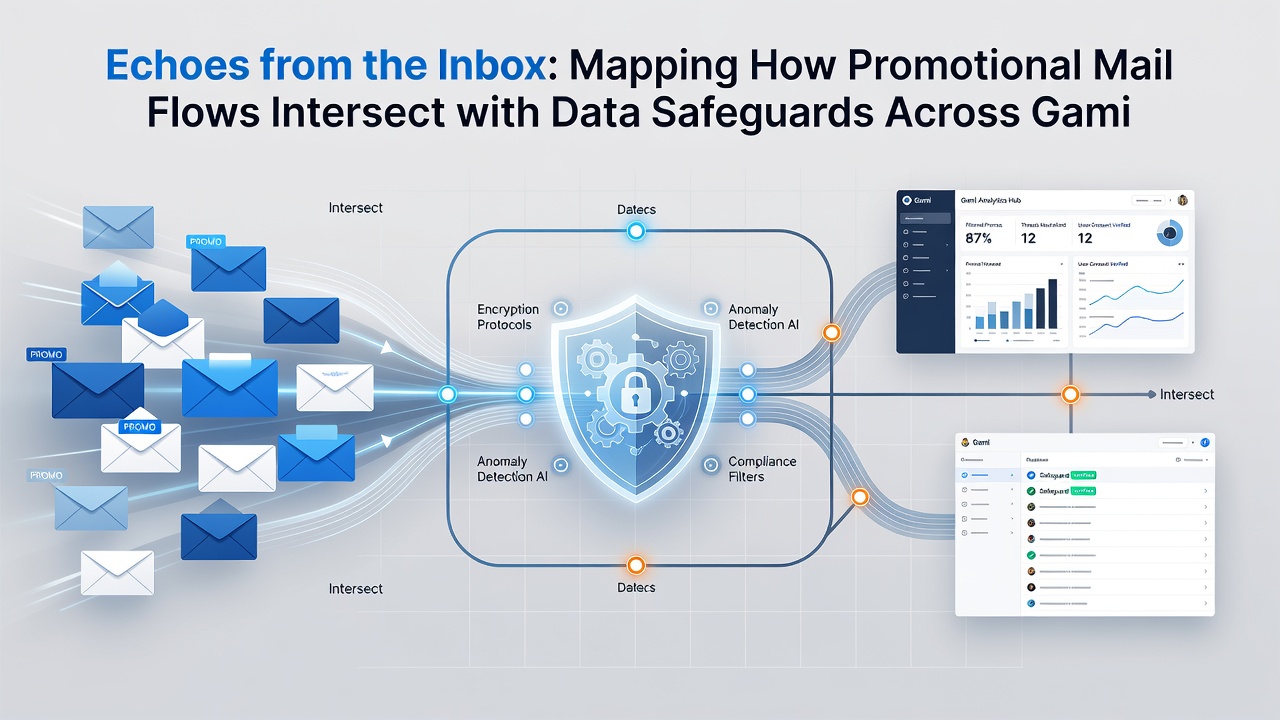
Encryption standards applied at rest and in transit intersect with these checkpoints, while access controls limit which internal teams can view or export address lists. Experts have observed that logging every query against the consent database creates an immutable record used during compliance reviews, and this practice has become standard across major platforms operating in multiple jurisdictions.
Intersection Points and Compliance Mapping
The points where promotional flows meet safeguards appear most clearly during list hygiene processes and consent refresh campaigns. Operators run periodic scans that cross-reference active addresses against suppression files and regulatory do-not-contact registries, then remove or flag mismatches before the next send cycle. Data from industry reports published by the European Data Protection Supervisor shows that these scans prevent violations that could otherwise result in enforcement actions or platform-level penalties.
Another intersection occurs when players update preferences through in-game portals or email links, because those updates must propagate instantly across marketing, analytics, and customer-service systems. Researchers discovered that latency in propagation creates brief windows where outdated consent data could allow unauthorized sends, prompting platforms to implement event-driven synchronization rather than batch updates. Those who've examined platform architectures note that such synchronization reduces error rates while maintaining auditability.
Regional Variations in Practice
North American operators tend to emphasize state-level privacy statutes alongside federal requirements, leading to more granular state-specific suppression lists integrated into the same email platform. In contrast, Asian jurisdictions often focus on licensing conditions that tie promotional volume caps directly to player-protection metrics, creating different pressure points on mail flows. Canadian regulators have required explicit double-opt-in mechanisms for marketing lists since earlier reforms, and operators there document each confirmation step as part of their standard reporting.
What's interesting is how these regional approaches converge on shared technical standards for data handling even when the underlying legal triggers differ, allowing multinational platforms to maintain unified infrastructure with jurisdiction-specific rule sets layered on top.
Conclusion
Mapping promotional mail flows against data safeguards reveals a network of checkpoints that operators must maintain to balance marketing reach with privacy obligations. Evidence from regulatory filings and technical audits demonstrates that these intersections continue to evolve as platforms adapt to new transfer rules and consent models, particularly around periods such as June 2026 when multiple jurisdictions implemented aligned updates. Observers note that continued documentation of each flow segment supports both operational efficiency and regulatory accountability across gaming platforms worldwide.