From Clicks to Clauses: The Journey of Promotional Content Through Legal Checkpoints in Casino Websites
Harper Beck · Jul 7, 2026

From Clicks to Clauses: The Journey of Promotional Content Through Legal Checkpoints in Casino Websites
Promotional content on casino websites travels a structured path from initial concept through multiple layers of legal scrutiny before reaching users, and this process ensures compliance with advertising standards across jurisdictions while protecting operators from regulatory penalties. The journey begins with creative teams developing offers that highlight bonuses or games, yet every element faces examination for accuracy and adherence to rules set by bodies such as the Nevada Gaming Control Board.
Early stages involve drafting text and visuals that avoid unsubstantiated claims about winnings or payouts, since regulators require promotions to include clear eligibility criteria and wagering requirements from the outset. Teams coordinate with compliance departments to flag potential issues like restricted terms for certain regions, while data from industry reports shows that revisions often occur at this point to align with local laws in places ranging from the United States to European markets.
Regulatory Alignment During Content Development
Legal checkpoints intensify once drafts move to review panels, where specialists cross-reference promotions against current statutes and guidelines that govern responsible advertising. In July 2026 several jurisdictions updated disclosure mandates for digital promotions, prompting operators to adjust language around bonus expiration dates and geographic restrictions to match these revisions. Content must incorporate mandatory responsible gaming messages without disrupting visual appeal, and this balance often requires iterative adjustments based on feedback from legal experts.
Operators draw on frameworks established by groups like the International Association of Gaming Regulators to standardize processes across borders, which helps reduce conflicts when promotions target international audiences. Automated tools assist in scanning for prohibited phrases, yet human oversight remains essential because context matters in phrases that could imply guaranteed outcomes.
Verification Steps Before Launch
Once internal reviews conclude, external legal consultants or in-house counsel conduct final audits that examine every clause attached to promotional offers, from age restrictions to data usage implications. This phase connects directly to user experience because promotions must link seamlessly to full terms and conditions pages without hidden barriers. Research from academic studies on digital gambling platforms indicates that transparent clause placement correlates with higher user retention rates in compliant environments.
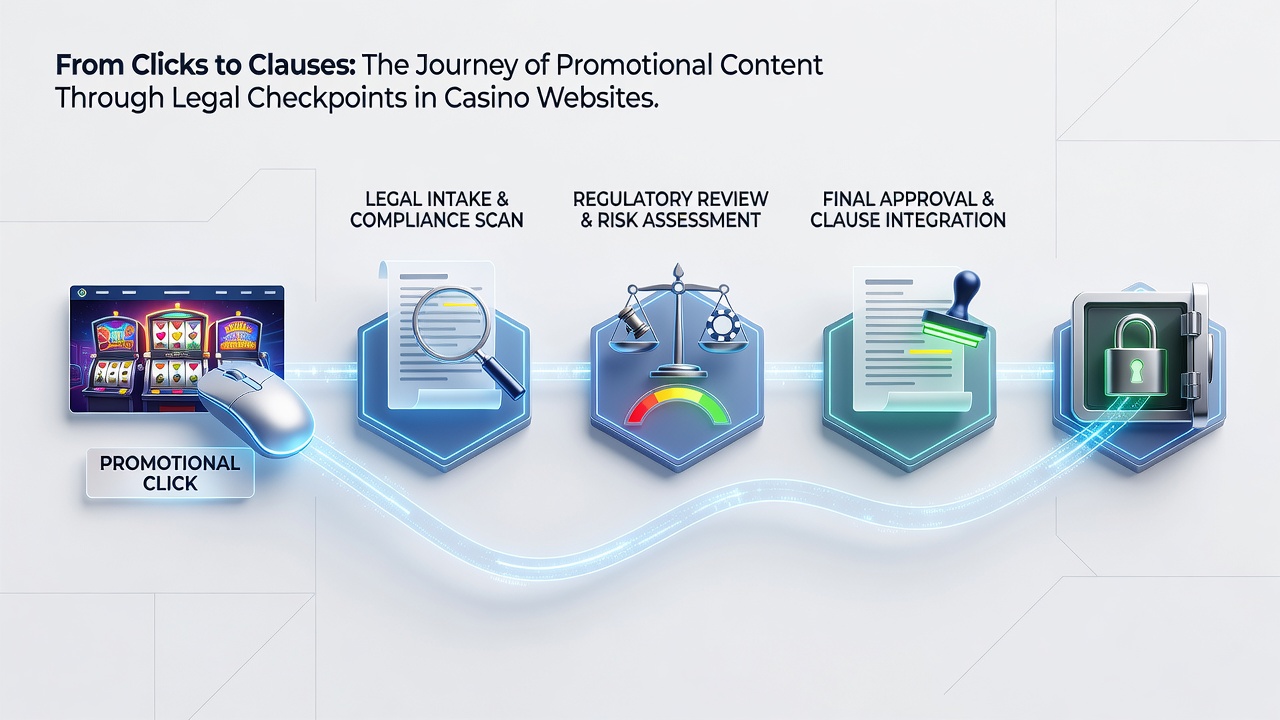
Testing follows approval, as platforms simulate user clicks on promotional banners to confirm that terms display correctly and that consent mechanisms function as required. Observers note that failures at this stage trigger immediate holds until fixes are implemented, particularly when promotions involve time-sensitive events like seasonal tournaments. Data from regulatory filings reveals that thorough pre-launch simulations have reduced compliance incidents by measurable margins in recent years.
User Pathways and Ongoing Oversight
After publication the journey continues through user interactions, where clicks on ads lead to landing pages that present clauses in accessible formats while meeting readability standards mandated by various authorities. Players encounter verification prompts that confirm eligibility before any bonus activates, and this step integrates with broader player protection systems. Australian Communications and Media Authority guidelines, for instance, emphasize clear separation between promotional material and required disclosures to prevent misleading impressions.
Post-launch monitoring involves analytics teams tracking engagement alongside complaint logs, since patterns in user feedback can signal areas needing clause refinements. Operators maintain logs of all changes to promotional content, which supports audits by bodies such as the New Jersey Division of Gaming Enforcement when investigations arise. What's interesting is how these systems create feedback loops that inform future campaigns without compromising legal integrity.
Conclusion
The progression from initial clicks on promotional ideas to finalized clauses reflects a deliberate system designed to balance marketing goals with regulatory demands across global casino websites. Multiple checkpoints ensure that content remains factual and accessible, while updates like those seen in July 2026 demonstrate ongoing adaptation to evolving standards. This structured path supports sustainable operations by minimizing risks and maintaining trust through consistent compliance practices.