Intersecting Affiliate Networks with Data Protocols in Regulated Wagering Portals
Clara Washington · Jun 25, 2026
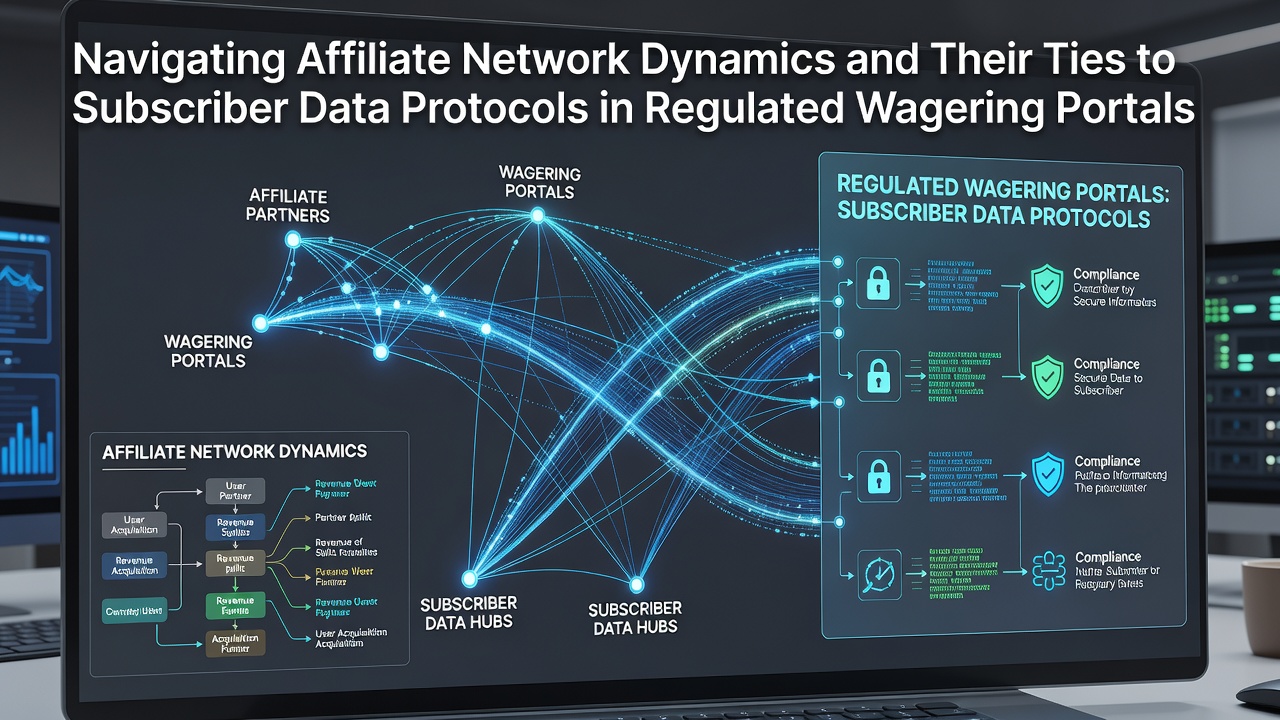
Intersecting Affiliate Networks with Data Protocols in Regulated Wagering Portals
Regulated wagering portals operate within frameworks that require careful coordination between affiliate networks and subscriber data protocols, and this coordination shapes how operators manage partnerships while maintaining compliance standards. Affiliate programs connect operators to promotional channels, yet those connections depend on data handling practices that align with regional licensing conditions, and observers note that such alignments have grown more intricate since mid-2025 as new reporting requirements took effect.
Affiliate Network Structures in Licensed Environments
Affiliate networks function as intermediaries that drive traffic to wagering sites through performance-based arrangements, and these networks collect performance metrics that often include subscriber identifiers, session durations, and conversion pathways. Licensed operators must ensure affiliates adhere to data minimization rules, which means limiting the types of information shared beyond what is necessary for commission calculations. Research from the European Gaming and Betting Association indicates that structured agreements now include clauses specifying encryption standards for any transmitted subscriber details, and this approach reduces exposure during routine reporting cycles.
Operators in multiple jurisdictions require affiliates to use approved tracking tools that strip personal identifiers before data reaches central servers, and this requirement emerged partly from audits conducted in early 2026. Those who've examined contract templates across European and North American markets observe that payment verification steps frequently cross-reference aggregated behavioral data rather than individual records, which keeps commission processing efficient without breaching consent boundaries.
Subscriber Data Protocols and Compliance Layers
Subscriber data protocols in regulated portals establish rules for collection, storage, and deletion of player information, and these protocols intersect with affiliate activities when referral sources request performance summaries. Protocols typically mandate that operators retain records for set periods while allowing subscribers to request access or erasure, and affiliates receive only anonymized summaries that prevent reverse identification. Data shows that portals licensed in Australia and parts of Canada implemented enhanced consent dashboards in June 2026, giving subscribers granular control over which metrics affiliates may reference for optimization purposes.
Security measures include tokenization of referral codes and regular penetration testing of shared databases, and these steps help maintain separation between marketing analytics and core account details. Industry reports highlight that operators who updated their protocols ahead of the June 2026 deadlines experienced fewer compliance queries from oversight bodies, because the revised systems automatically flag any affiliate request that exceeds predefined data categories.
Integration Points and Operational Challenges
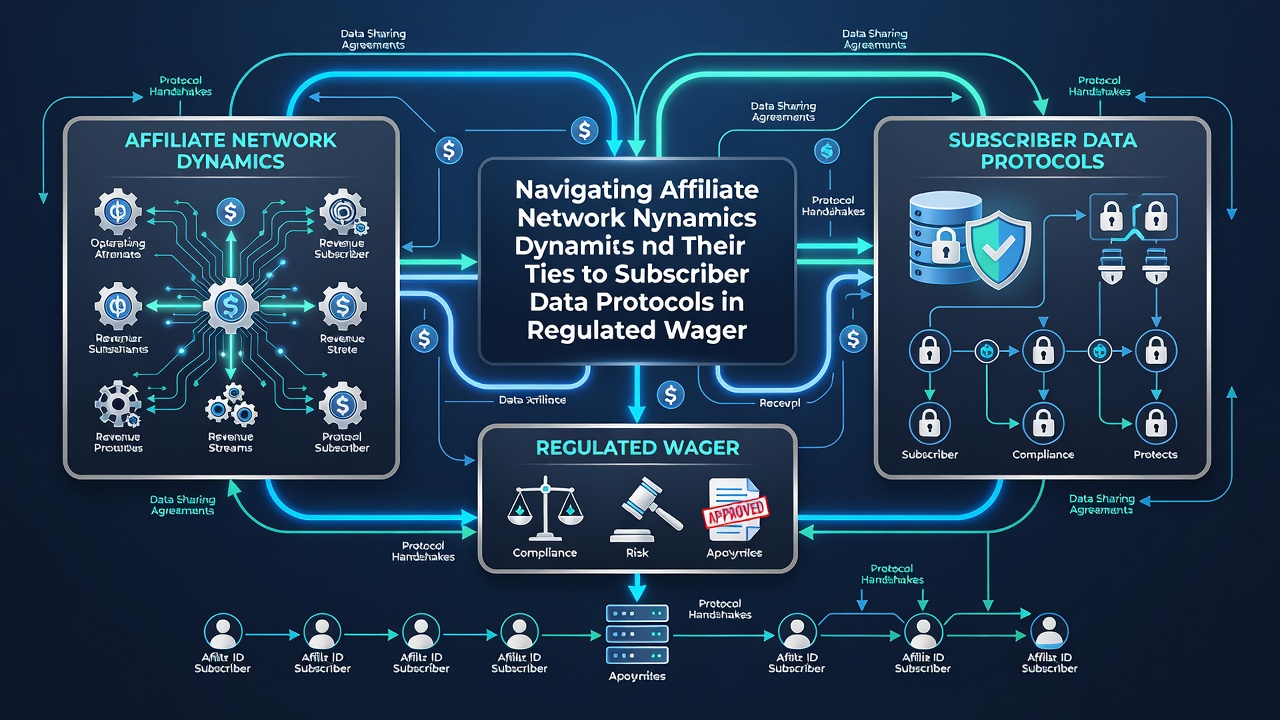
Integration occurs at several checkpoints where affiliate dashboards pull performance indicators while portal systems enforce protocol filters, and this setup demands ongoing synchronization between marketing teams and compliance officers. One documented case involved a multi-state operator that revised its affiliate portal interface after discovering that certain referral links inadvertently exposed timestamp data tied to individual accounts. Adjustments included adding automated redaction layers that activate before any export reaches external partners.
Regulatory bodies across different regions have issued guidance emphasizing audit trails for every data transfer involving affiliates, and these trails must record who accessed what, when, and under which consent category. Figures from licensing reports reveal that portals maintaining detailed logs encountered fewer delays during renewal reviews, because examiners could trace compliance without requesting additional documentation. What's interesting is how some networks now embed protocol checks directly into their software development kits, allowing real-time validation rather than post-hoc reviews.
Regional Variations in Oversight Practices
Practices differ by jurisdiction because licensing conditions reflect local priorities around consumer protection and market transparency. In Nevada, the Gaming Control Board requires quarterly summaries of affiliate-related data flows, whereas Australian authorities focus on annual third-party audits that examine consent language used in referral agreements. Observers note that operators active in multiple markets maintain separate data-handling modules for each region to satisfy these distinct demands without cross-contamination of records.
Academic studies from research institutions tracking digital gambling trends have examined how affiliate incentives align with protocol safeguards, and preliminary findings suggest that performance bonuses tied solely to first-deposit volume encourage less intrusive data collection than those linked to long-term retention metrics. This distinction matters because retention-focused models often require deeper behavioral insights, which in turn trigger stricter protocol reviews.
Conclusion
The relationship between affiliate networks and subscriber data protocols continues to evolve as regulators introduce updated reporting standards and operators refine technical safeguards. Licensed portals balance promotional reach with privacy requirements by embedding protocol filters into every stage of affiliate interaction, and evidence from recent compliance cycles shows that such integration supports both business objectives and regulatory expectations. Those monitoring the sector expect further refinements in tracking methodologies as new licensing periods begin after June 2026.