Layered Consent Protocols: Anchoring Reliability in Remote Wagering Systems
Olivia Long · Jun 4, 2026
Layered Consent Protocols: Anchoring Reliability in Remote Wagering Systems
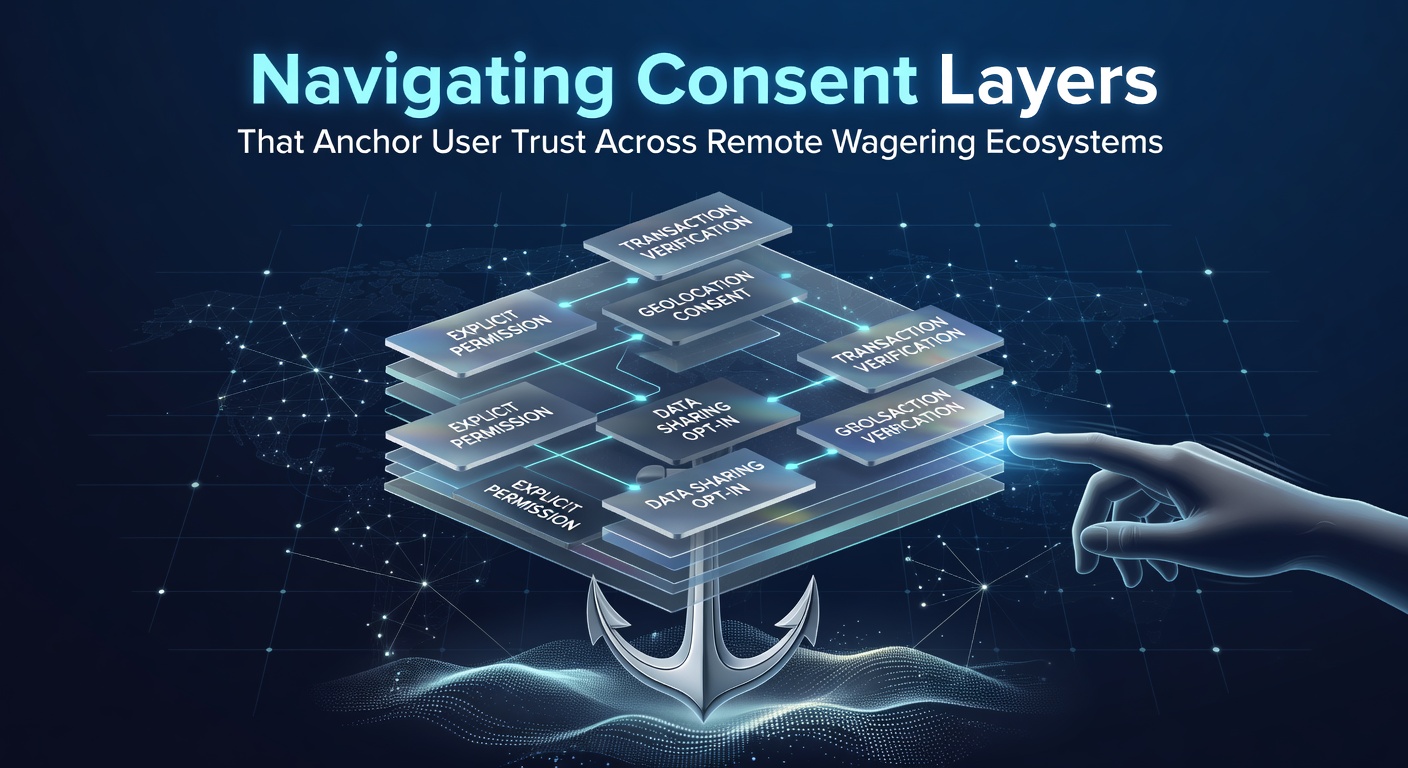
Remote wagering ecosystems rely on structured consent mechanisms that operate across distinct layers, each addressing specific aspects of user data handling, transaction approvals, and service participation. These layers typically begin with account creation and age verification, then extend through payment authorizations, marketing preferences, and ongoing data usage agreements. Observers note that such segmentation allows platforms to isolate permissions so users retain granular control without blanket approvals that might undermine confidence over time.
Data from regulatory bodies across multiple regions shows platforms implementing these layered systems achieve higher retention rates, particularly when consent prompts appear contextually rather than as one-time checkboxes. In June 2026 several North American jurisdictions introduced standardized templates requiring separate toggles for behavioral tracking versus basic service functionality, reflecting broader efforts to align digital gambling interfaces with evolving data protection norms.
Core Components of Consent Layering
Initial layers focus on identity confirmation and eligibility checks, where users submit documents or biometric data under explicit permission protocols. Subsequent layers cover financial transactions, requiring affirmative consent for each deposit method and withdrawal pathway. Researchers from the University of Nevada, Las Vegas have documented how separating these steps reduces user friction while maintaining audit trails that satisfy oversight requirements.
Marketing and analytics layers follow, allowing individuals to opt into personalized offers or performance tracking independently from core betting functions. Industry reports indicate this separation prevents automatic enrollment in promotional databases, a practice that previously triggered user complaints in various markets. And yet the structure demands clear language at each stage so participants understand downstream implications without needing external legal interpretation.
Regulatory Influences Across Jurisdictions
European frameworks emphasize explicit, withdrawable consent under data protection rules, compelling operators to rebuild interfaces that previously bundled permissions. Canadian provincial regulators have adopted similar requirements, mandating annual consent renewals for persistent data categories. According to findings published by the Responsible Gambling Council, these renewals correlate with improved user perceptions of platform fairness when implemented transparently.
Asian markets present contrasting approaches, where state-controlled systems integrate consent within national digital identity frameworks. Observers have tracked how these unified systems reduce duplicate verification steps while preserving user autonomy over specific wagering categories. The result is a patchwork of standards that multinational operators must navigate through adaptable backend architectures capable of toggling layers based on user location.
Platform Implementation Patterns
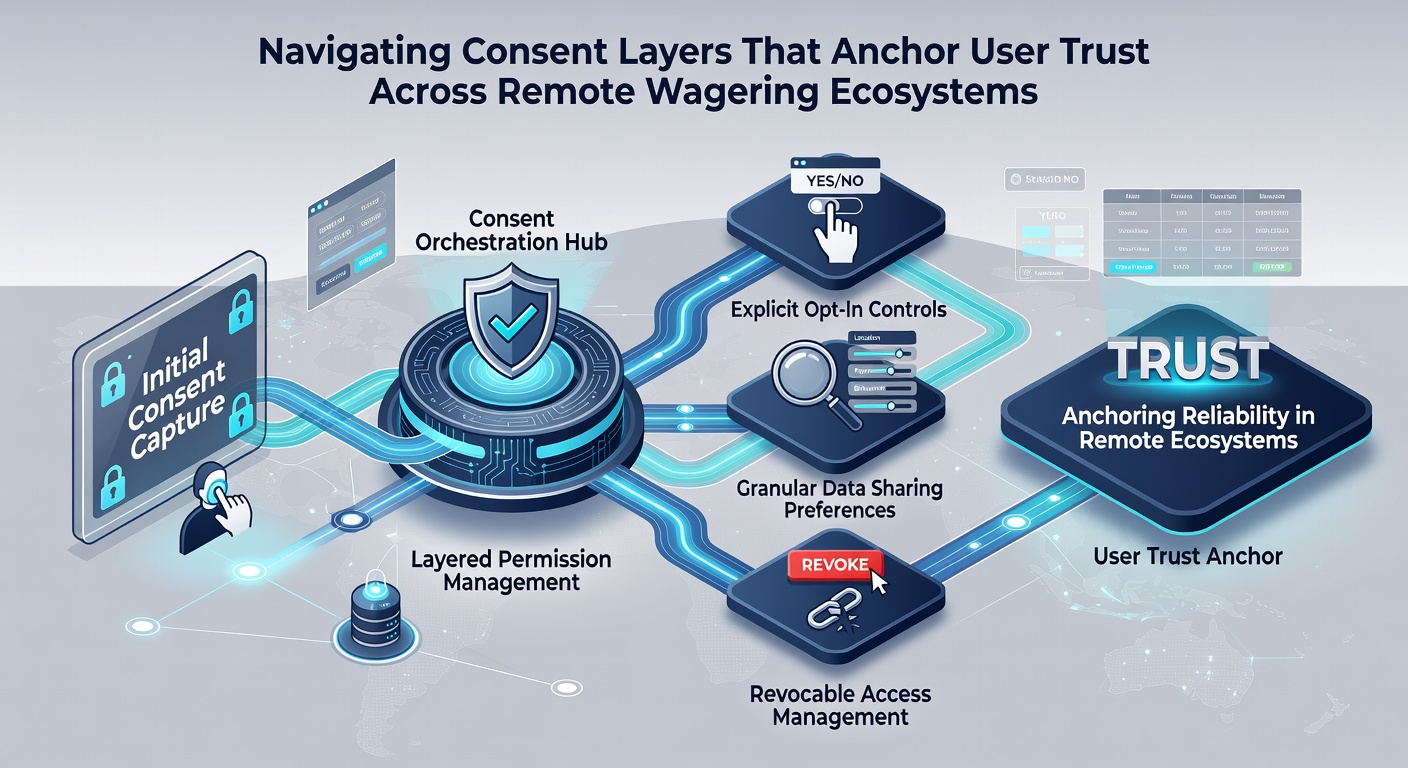
Leading operators deploy consent dashboards that display active permissions in real time, enabling users to adjust settings without contacting support teams. These dashboards often incorporate progress indicators showing how many layers remain unaddressed, guiding users through completion. Case studies from Australian operators reveal that simplified visual hierarchies increase completion rates compared with text-heavy forms.
Technical integrations rely on modular consent management platforms that log timestamps and version histories for each layer. Such records prove essential during compliance audits, allowing regulators to verify that users received updated notices when policies changed. And because wagering involves repeated micro-transactions, platforms frequently embed just-in-time consent prompts at deposit thresholds or when new game categories are accessed.
Trust Metrics and User Behavior Data
Surveys conducted by academic teams across multiple continents demonstrate that users who engage with layered consent options report stronger feelings of control over personal information. Figures reveal correlations between granular permission settings and reduced account closure rates within the first six months of activity. What's interesting is how these patterns hold across both established markets and emerging regions where digital wagering adoption continues expanding.
Third-party auditors increasingly evaluate consent layer effectiveness as part of broader platform certifications. Metrics tracked include opt-out frequency, time spent reviewing notices, and subsequent engagement levels. Platforms that streamline review processes without sacrificing clarity tend to score higher on these evaluations, according to aggregated industry benchmarking data.
Conclusion
Layered consent protocols continue evolving alongside technological capabilities and regulatory expectations in remote wagering environments. By segmenting permissions into distinct, manageable stages, operators create environments where users can participate confidently while retaining oversight of their data and activities. Ongoing refinements in June 2026 and beyond will likely emphasize interoperability between regional standards, enabling smoother cross-border experiences without compromising individual protections. The architecture supporting these layers remains central to sustaining operational legitimacy across the sector.