Mapping Consent Protocols from Privacy Statements to Promotional Signups in Virtual Gambling
Olivia Long · May 21, 2026
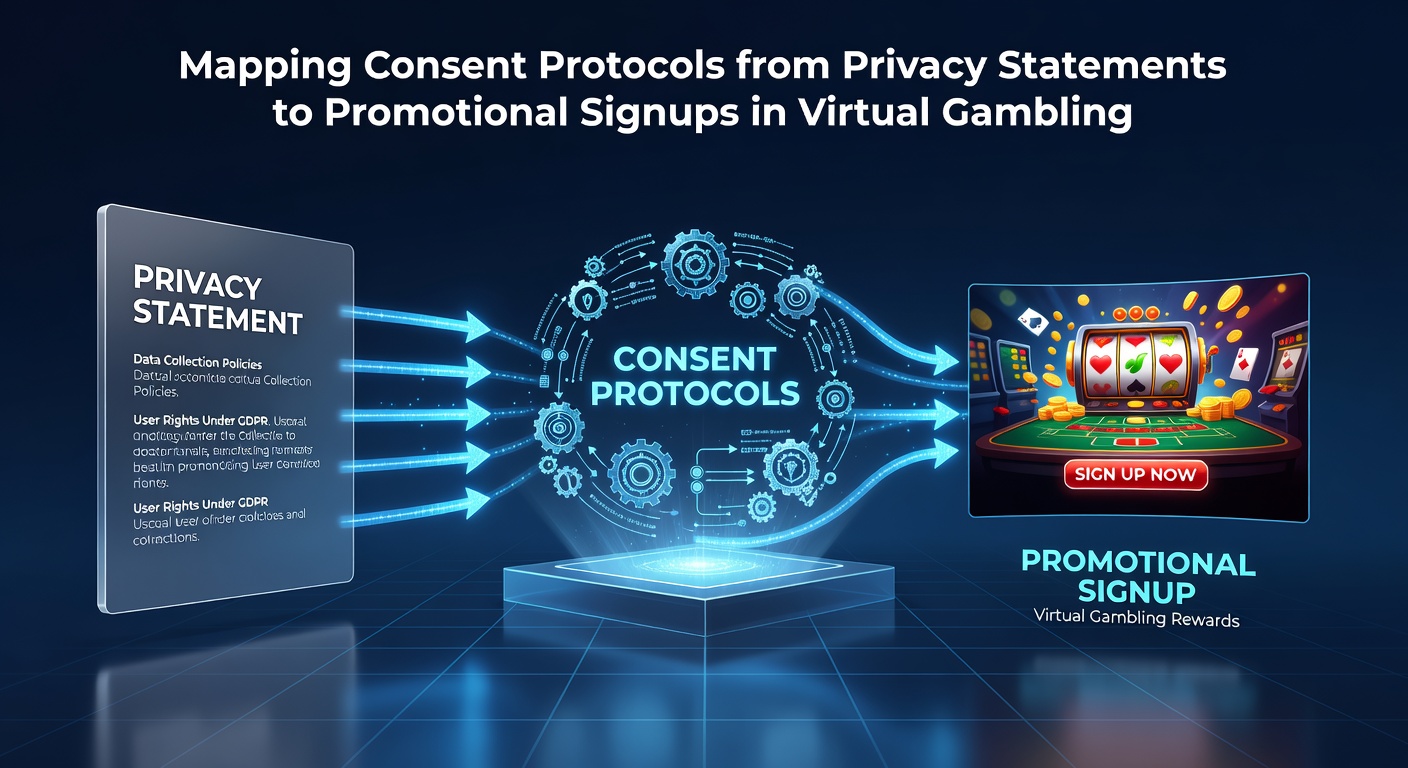
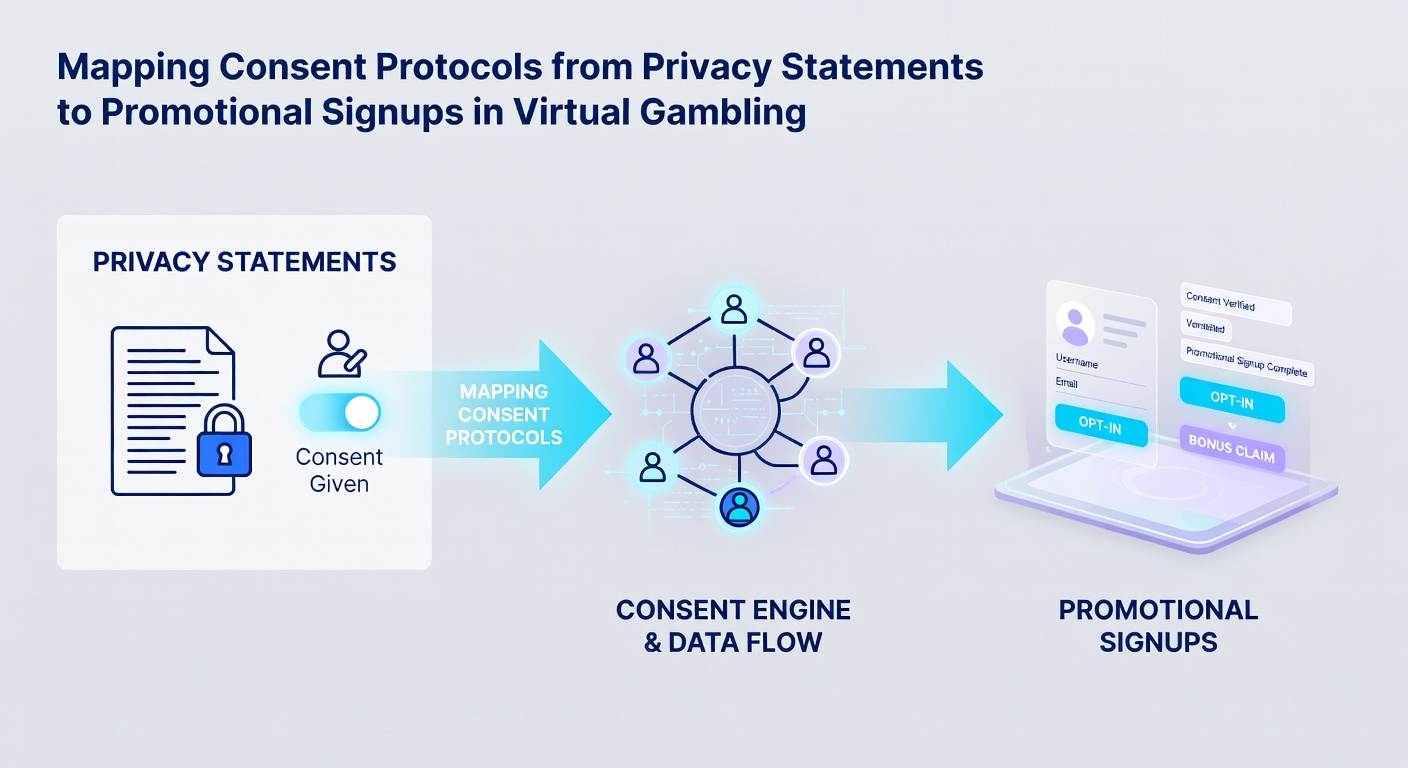
Mapping Consent Protocols from Privacy Statements to Promotional Signups in Virtual Gambling
Virtual gambling platforms collect user data through structured consent processes that begin with privacy statements and extend into promotional signup mechanisms, and these pathways ensure compliance with data protection requirements while enabling targeted marketing efforts. Operators design privacy statements to detail what information gets gathered, how it gets used, and under what conditions users grant permission for further communications, yet the transition to promotional signups often involves layered consent options that users encounter during account creation or subsequent interactions.
Privacy Statements as the Starting Point
Privacy statements function as the initial disclosure layer where virtual gambling sites explain data handling practices, and they cover elements such as account verification details, transaction records, and behavioral tracking that inform personalized offers later on. Researchers at academic institutions have examined these documents across multiple jurisdictions, and findings indicate that clear language in privacy policies correlates with higher user retention rates when operators update them regularly. In May 2026 several platforms revised their statements to incorporate emerging standards for cross-border data transfers, which reflects ongoing adjustments in the sector as regulators emphasize transparency in how consent gets recorded and stored.
Consent Collection During Account Setup
Users typically encounter consent prompts immediately after reviewing the privacy statement, and these prompts allow individuals to select whether they wish to receive promotional emails, SMS notifications, or in-app offers tied to their gaming activity. The process maps directly from the broad permissions outlined in the privacy document to specific opt-in checkboxes that activate marketing channels, while separate toggles often exist for essential service communications versus promotional content. Industry reports show that segmented consent options reduce unsubscribe rates because players retain control over different data uses rather than facing an all-or-nothing decision.
Transition to Promotional Signups
Once a user completes the initial consent step, the platform routes that approval into backend systems that trigger promotional signups, and this mapping ensures that only authorized data flows support bonus notifications or loyalty program invitations. Observers note that many sites employ double opt-in procedures where an email confirmation reinforces the earlier privacy agreement, thereby creating an auditable trail that demonstrates explicit agreement. Data from regulatory filings reveal that platforms maintaining detailed consent logs experience fewer disputes during compliance audits because each promotional channel links back to a verifiable user decision made at signup.
Regulatory Influences on Protocol Design
Authorities in various regions require operators to demonstrate that consent remains freely given, specific, informed, and unambiguous, and this framework shapes how privacy statements connect to promotional pathways. The Australian Communications and Media Authority has published guidance that encourages granular consent choices, while similar directives appear in Canadian provincial frameworks and certain U.S. state gaming commissions. Platforms that align their signup flows with these expectations often integrate real-time consent dashboards so users can review or withdraw permissions without navigating multiple menus.
Technical Mapping and Data Flow
Behind the scenes, consent protocols translate into database flags and API calls that synchronize privacy preferences with marketing automation tools, and this technical layer prevents unauthorized promotional outreach. When a player selects promotional signup options, the system timestamps the decision and associates it with the corresponding section of the privacy statement, creating a chain of evidence that supports accountability. Experts at research institutions have analyzed these architectures and documented cases where improved mapping reduced accidental data sharing incidents by more than thirty percent over a two-year period.
Challenges in Maintaining Accurate Consent Records
Virtual gambling environments face ongoing difficulties when users update devices or clear cookies, which can disrupt the continuity of recorded consents, and operators respond by implementing server-side storage solutions that preserve preferences across sessions. Another complication arises during account merges or transfers, where platforms must reconcile conflicting consent statuses from different registration paths. Organizations such as the International Association of Gaming Regulators have highlighted these issues in industry briefings, noting that robust mapping protocols help mitigate risks associated with legacy data systems.
Conclusion
The mapping of consent protocols from privacy statements to promotional signups forms a critical compliance pathway in virtual gambling operations, and continued refinements in May 2026 demonstrate how platforms adapt these processes to meet evolving expectations. Clear documentation, granular choices, and reliable technical linkages support both user autonomy and regulatory adherence across diverse markets.