Mapping the Ties Between Affiliate Campaigns and Intellectual Property Guidelines Across Gambling Networks
Olivia Hayes · May 23, 2026
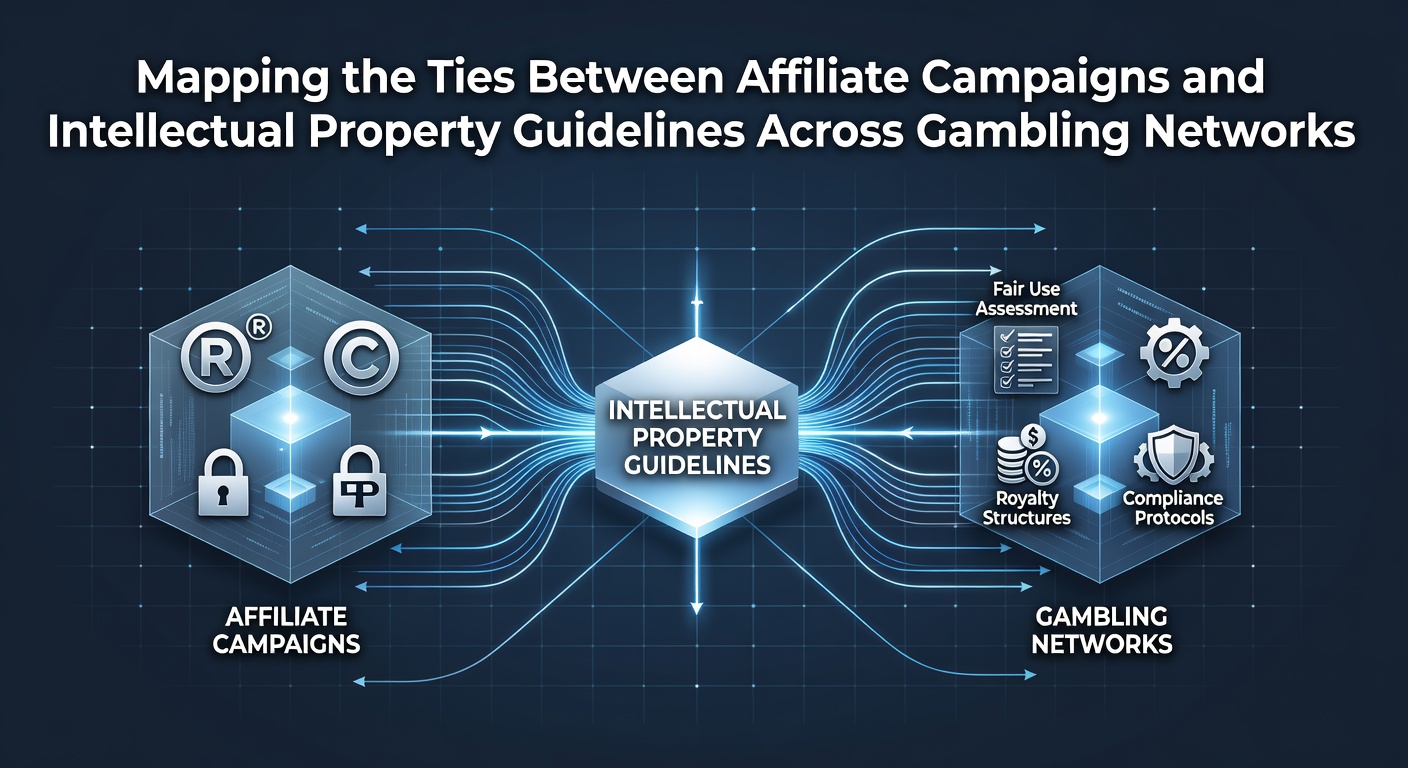
Mapping the Ties Between Affiliate Campaigns and Intellectual Property Guidelines Across Gambling Networks
Affiliate campaigns in gambling networks operate through structured partnerships where promoters earn commissions for driving traffic and registrations to betting sites, yet these arrangements must align with intellectual property rules that protect brand assets like logos, slogans, and proprietary software. Observers note that networks spanning multiple jurisdictions require careful coordination because trademark registrations vary by country, and unauthorized use can trigger enforcement actions from rights holders or regulators.
How Affiliate Structures Interact with Brand Protections
Promotional materials often incorporate licensed elements from operators, including registered marks and copyrighted graphics, but agreements typically specify usage limits such as approved ad formats and geographic restrictions. Those who've studied compliance patterns observe that affiliates who exceed these boundaries risk account termination or legal claims, while operators maintain oversight through approval workflows and periodic audits. Data from industry reports indicates that in regions with mature markets, standardized contracts have reduced disputes by clarifying ownership of generated content like review articles and comparison tools.
Regional Variations in IP Enforcement
North American frameworks emphasize federal trademark statutes alongside state gaming rules, whereas European approaches incorporate directives on unfair commercial practices that intersect with copyright protections for digital assets. In May 2026, several oversight bodies released coordinated guidance highlighting the need for affiliates to document licensing chains when repurposing operator materials across borders. Australian regulatory updates from the same period stressed similar documentation requirements for cross-platform campaigns, creating alignment with practices already observed in Canadian provincial systems.
Researchers discovered through case reviews that successful mappings occur when networks deploy centralized asset libraries accessible only to approved partners, reducing accidental infringements. This approach connects directly to payout verification processes because compliance records influence commission eligibility in many programs.
Compliance Mechanisms Observed Across Networks
Monitoring tools track ad placements and content variations in real time, flagging deviations from approved templates that might involve altered logos or embedded third-party media. Experts have observed that these systems integrate with reporting dashboards, allowing operators to correlate campaign performance metrics with IP adherence scores. One study revealed that networks using such integrated platforms experienced fewer takedown notices during promotional surges around major sporting events.
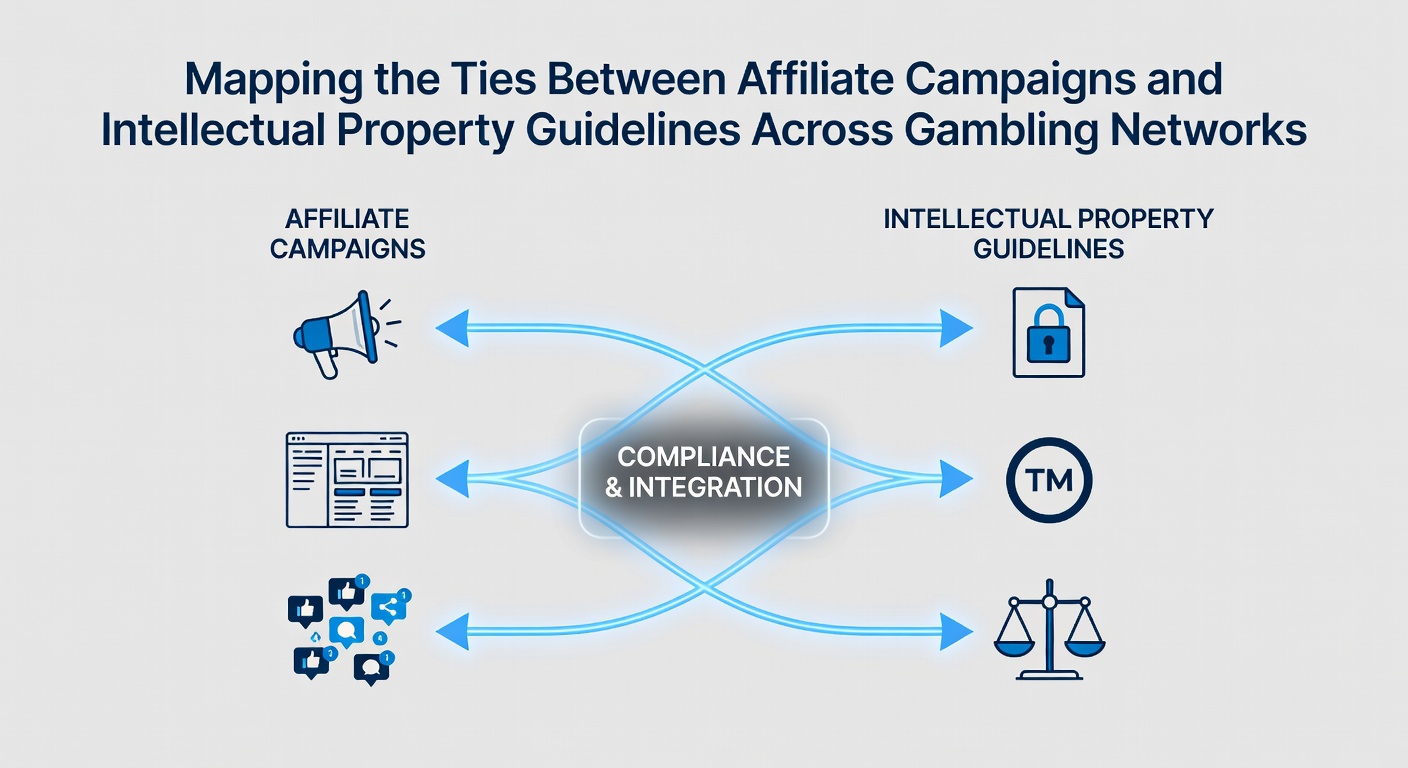
Contractual clauses frequently require affiliates to maintain separate records of any custom content they create, ensuring operators retain rights to derivative works while affiliates receive credit for original contributions under defined terms. What's interesting is how these provisions extend to user-generated elements on affiliate sites, such as forum posts or embedded videos, which must still respect overarching brand guidelines.
Data Patterns and Reporting Requirements
Figures from trade associations show that IP-related complaints represent a measurable portion of regulatory inquiries into gambling advertising, prompting networks to adopt proactive mapping strategies that link each campaign element to its licensing source. According to analysis from the US Federal Trade Commission on endorsement practices, transparent disclosure of affiliate relationships helps mitigate both consumer protection and IP concerns when promotional content references protected marks. Similar patterns appear in reports issued by the Australian Competition and Consumer Commission, which examined digital marketing disclosures in wagering sectors.
Yet networks continue refining these maps because emerging technologies like AI-generated creatives introduce new variables around authorship and ownership that existing guidelines must address. Those monitoring developments note incremental updates to template agreements that now cover synthetic media usage explicitly.
Conclusion
The connections between affiliate operations and intellectual property frameworks in gambling environments rest on documented licensing, real-time monitoring, and jurisdiction-specific adaptations that together support sustainable promotional activity. As networks expand, ongoing alignment between campaign execution and IP requirements remains central to maintaining operational continuity across diverse regulatory landscapes.